A decisive shift is underway at the Freeport of Monrovia—once a bottleneck, now an emerging engine of efficiency and growth. Under APM Terminals’ stewardship, activity has surged by 40%, signaling not just higher volumes, but sharper execution, faster turnaround, and a more resilient trade gateway.
Fifteen years after its concession began, the port is finally reaching an inflection point. Early constraints—low throughput, infrastructure gaps, and systemic inefficiencies—have given way to measurable gains in productivity. Operational performance has effectively doubled in recent months, unlocking capacity and positioning the port as a credible catalyst for national growth.
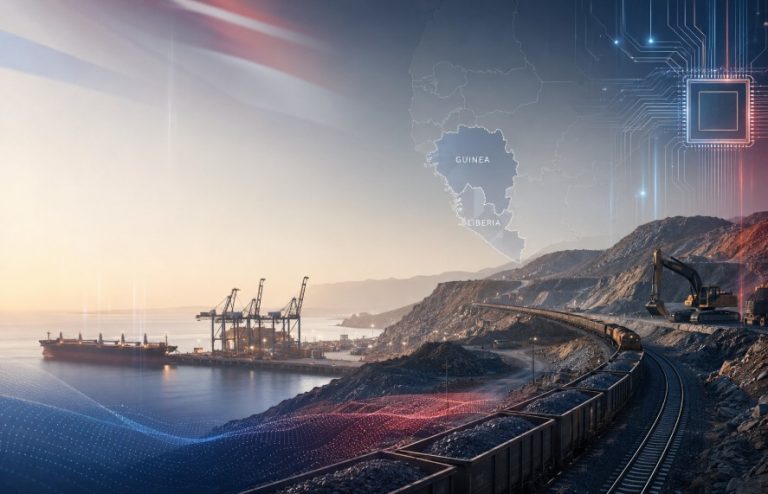
Strategic investments are driving this momentum: modern cargo-handling systems, round-the-clock navigation capabilities, and expanded capacity for bulk and specialized shipments. Crucially, the port is no longer confined to container traffic—it is evolving into a versatile logistics platform capable of supporting mining, construction, and industrial expansion.
Yet the most valuable asset is human capital. APM Terminals has prioritized workforce development, cultivating a skilled Liberian talent base and advancing local maritime expertise. This focus on capability-building not only enhances performance but aligns with broader national ambitions for self-sufficiency and long-term economic resilience.
For an import-reliant economy, efficiency at the port translates directly into lower costs and improved access to essential goods. Faster clearance, reduced delays, and digitalized processes are streamlining trade flows—delivering tangible benefits to businesses and consumers alike.
Challenges remain. Global volatility threatens supply chains and fuel stability, while domestic constraints—from infrastructure deficits to governance complexities—continue to test progress. Addressing these will require coordinated reform and sustained public-private alignment.
Looking ahead, the ambition is clear: transform Monrovia from a national gateway into a regional logistics hub. With significant untapped capacity and a strategic West African position, the port is poised for scale—provided investment, policy support, and infrastructure keep pace.
The trajectory is unmistakable. The Freeport of Monrovia is no longer merely a point of entry—it is fast becoming a lever of economic transformation. And with momentum building, its impact is set to extend far beyond the shoreline.